

Research
The S²L develops mathematical, computational, and data-driven models of slender matter across scales, from DNA and nanorods to cables, bearings, and engineering structures. By combining mechanics, scientific computing, and machine learning, we seek to understand and predict the behavior of slender systems. Our current research topics include:
DNA Mechanics
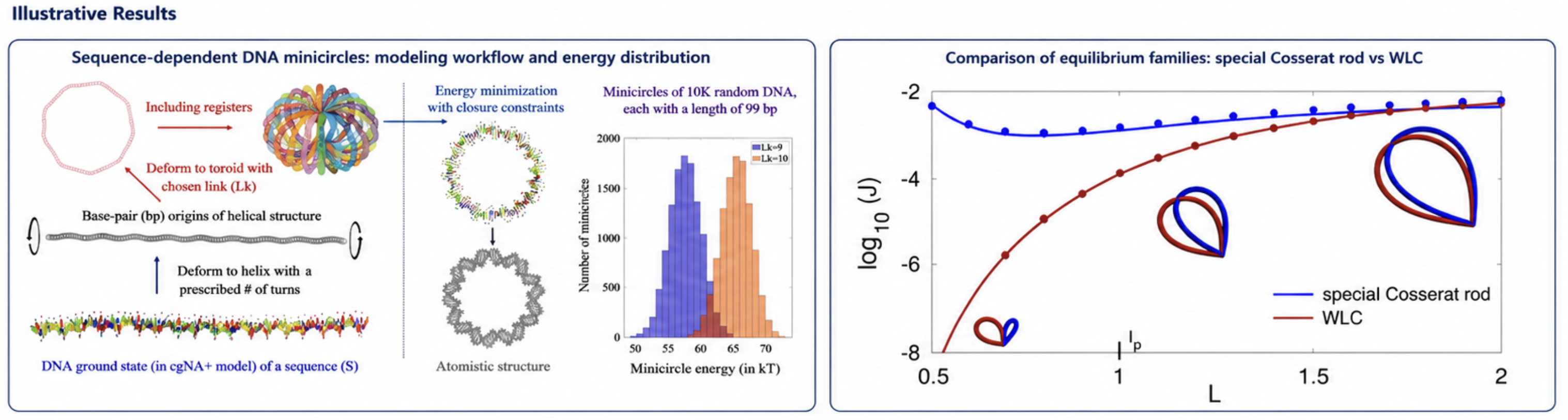
DNA is best known as the molecule that carries genetic information, but it can also be viewed as a slender mechanical structure. Like rods, cables, and other slender systems, DNA bends, twists, stretches, and forms loops under thermal fluctuations and external forces. Its mechanical properties are not uniform; they depend on the underlying nucleotide sequence. These variations influence how DNA folds, interacts with proteins, and is packaged inside cells. They also affect how genetic information is copied, repaired, and maintained. Changes in DNA mechanics can influence cell function and have been associated with aging, genetic disorders, and diseases such as cancer.
Our research combines mechanics, mathematics, and computation to understand DNA behavior across multiple length scales. Using molecular simulations, coarse-grained models, statistical mechanics, Monte Carlo methods, high-throughput computational modeling, and data-driven approaches, we investigate sequence-dependent elasticity, DNA looping and cyclization, minicircle formation, nucleosome organization, supercoiling, and the response of DNA to mechanical forces. Through this work, we aim to understand how the physical properties of DNA influence genome organization and human health.
Focus
- Sequence-dependent DNA mechanics and elasticity
- Molecular dynamics simulations of DNA and nucleic acids
- Coarse-grained modeling of DNA and chromatin
- DNA looping, cyclization, and fluctuating polymers
- DNA minicircles, supercoiling, and extrachromosomal DNA (eccDNA)
- DNA under mechanical loading
- Monte Carlo and importance-sampling methods
- High-performance computing and high-throughput computational modeling
- Machine learning and data-driven structural analysis
Selected publications:
Sharma, R., Patelli, A. S., Singh, R., Petkeviciute-Gerlach, D., Gonzalez, O. & Maddocks, J. H.
“Sequence-dependent conformational and mechanical landscapes of double-stranded nucleic acids.”
bioRxiv (2026).
DOI
Singh, R., Glowacki, J., Beaud, M., Padovano, F., Manning, R. S. & Maddocks, J. H. “cgNA+ min: computation of sequence-dependent dsDNA energy-minimizing minicircles.” Nucleic Acids Research 54, no. 9 (2026): gkag398. DOI
Corazza, G. & Singh, R. “Unraveling looping efficiency of stochastic Cosserat polymers.” Physical Review Research 4, no. 1 (2022): 013071. DOI
Self-Contact, Supercoiling, and Charged Rods
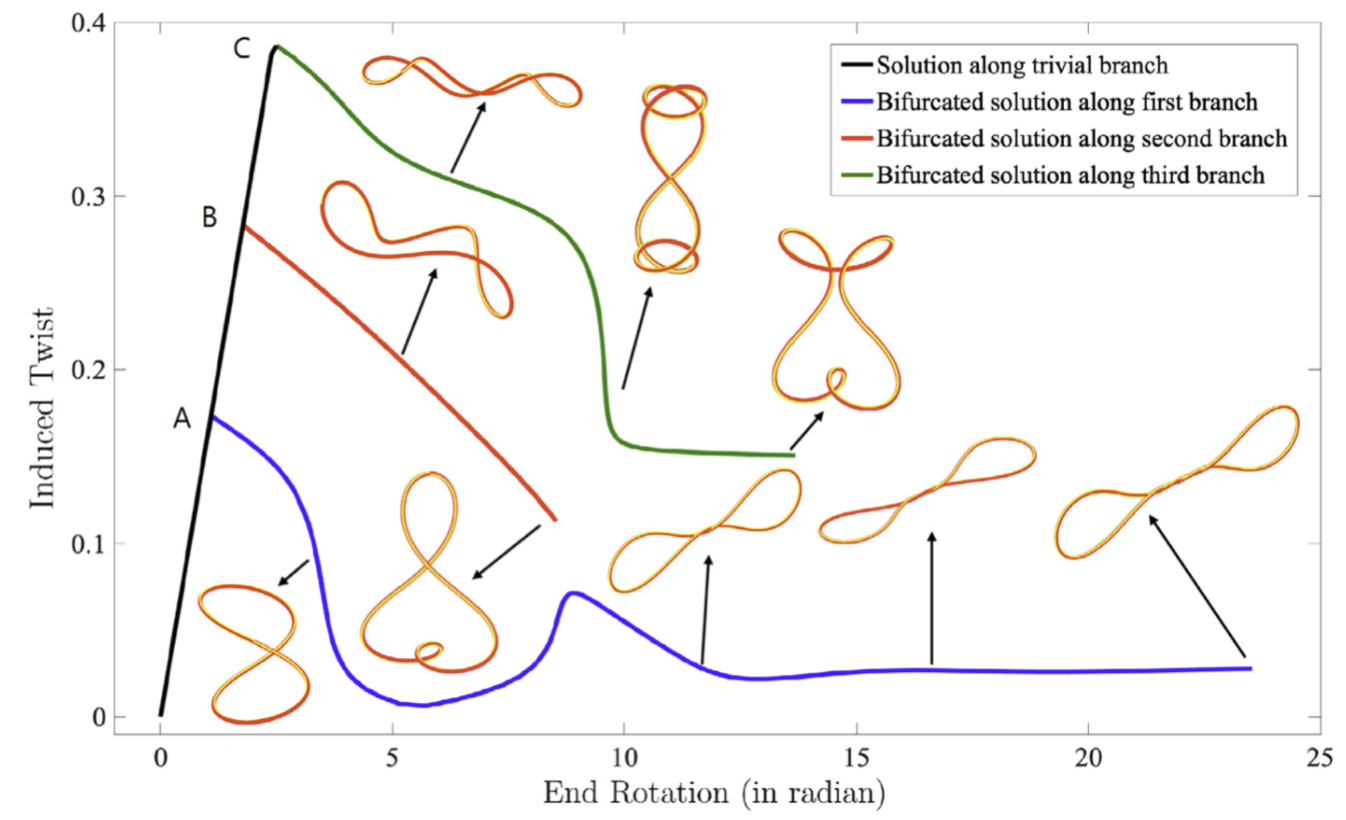
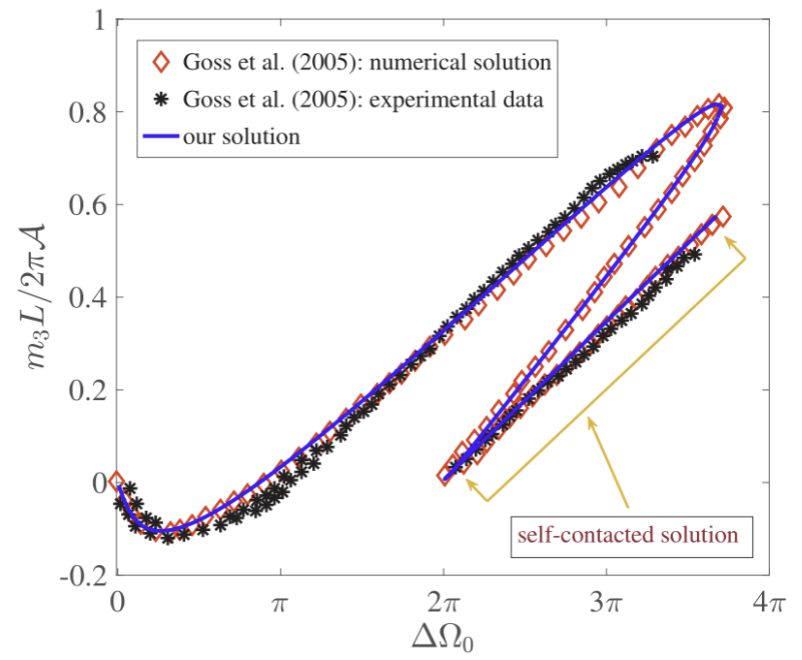
Slender rods and filaments often undergo large deformations that give rise to twisting, buckling, looping, self-contact, and supercoiling. These phenomena occur in systems ranging from DNA and biopolymers to cables, wires, and flexible engineering structures. We develop analytical and computational models based on Kirchhoff and Cosserat rod theories to investigate the interplay between geometry, elasticity, contact interactions, and electrostatic forces. Our work focuses on nonlinear equilibria, stability, post-buckling behavior, and bifurcation phenomena in slender systems.
Focus
- Kirchhoff and Cosserat rod theories
- Large deformations and buckling
- Self-contact in filaments
- Electrostatically charged slender structures
- Nonlinear equilibrium and stability analysis
- Post-buckling and supercoiling
- Bifurcation and continuation methods
Selected publications:
Singh, R., Tiwari, J. & Kumar, A.
“Self-contact in closed and open Kirchhoff rods.”
International Journal of Non-Linear Mechanics 131 (2021): 103786.
DOI
Singh, R. & Kumar, A. “A singularity free approach for Kirchhoff rods having uniformly distributed electrostatic charge.” Computer Methods in Applied Mechanics and Engineering 370 (2020): 113133. DOI
Singh, R., Abhishek, D. & Kumar, A. “An asymptotic numerical method for continuation of spatial equilibria of special Cosserat rods.” Computer Methods in Applied Mechanics and Engineering 334 (2018): 167–182. DOI
Mechanics of Tubes, Wires, and Cables
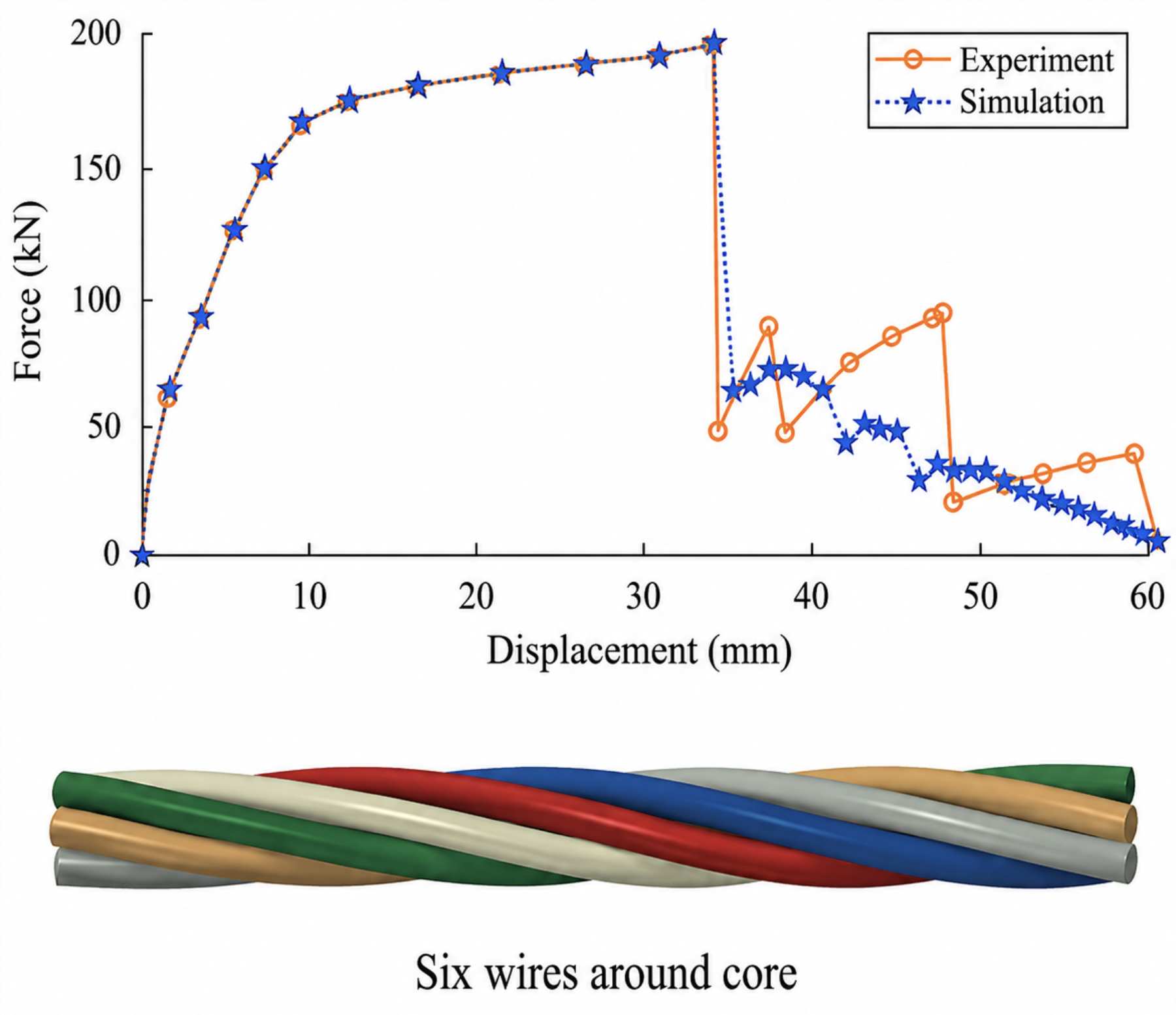
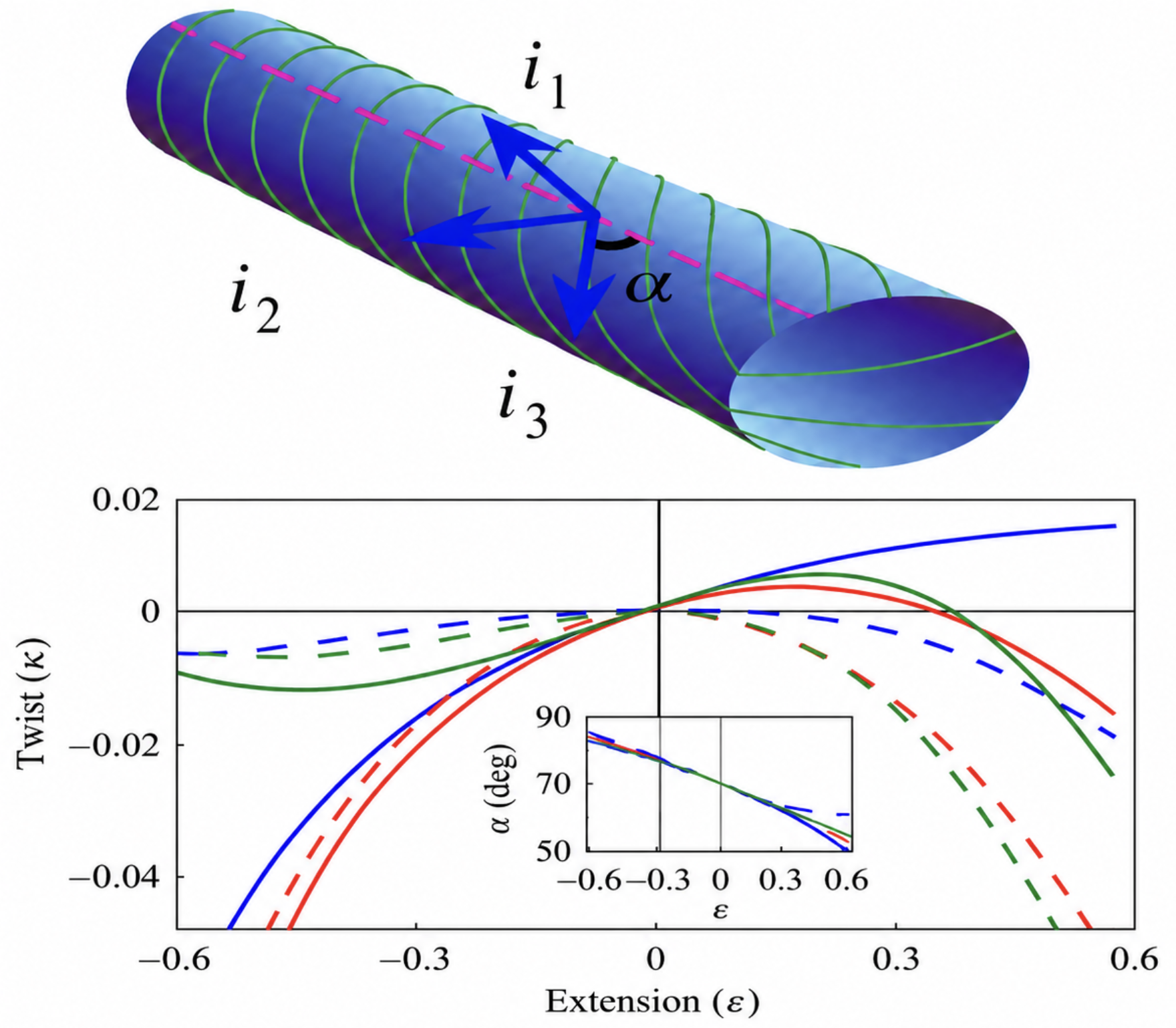
Tubes, wires, and cables are widely used in aerospace, energy, transportation, and civil infrastructure, where they are subjected to complex combinations of tension, bending, torsion, contact, wear, fatigue, and environmental loading. We develop analytical, finite element, and data-driven models to understand their nonlinear mechanical response, damage evolution, and long-term reliability. Our work spans pressurized anisotropic tubes, multi-strand wire systems, aircraft arresting cables, and other slender engineering structures, with applications in structural integrity assessment, residual-life prediction, and structural health monitoring.
Focus
- Mechanics of tubes, wires, and cable systems
- Unusual and coupled deformation modes
- Geometric and material nonlinearities
- Aircraft arresting cable mechanics
- Contact, wear, fatigue, and damage mechanics
- Residual-life prediction and reliability assessment
Selected publications:
Singh, R., Singh, P. & Kumar, A.
“Unusual extension-torsion-inflation couplings in pressurized thin circular tubes with helical anisotropy.”
Mathematics and Mechanics of Solids 24, no. 12 (2019): 3944–3965.
DOI
Singh, R., Kumar, S. & Kumar, A. “Effect of intrinsic twist and orthotropy on extension-twist-inflation coupling in compressible circular tubes.” Journal of Elasticity 128, no. 2 (2017): 175–201. DOI
Mechanics of Nanostructures
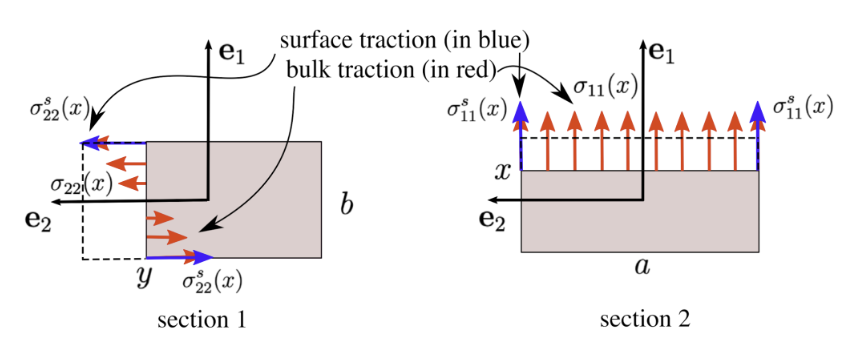
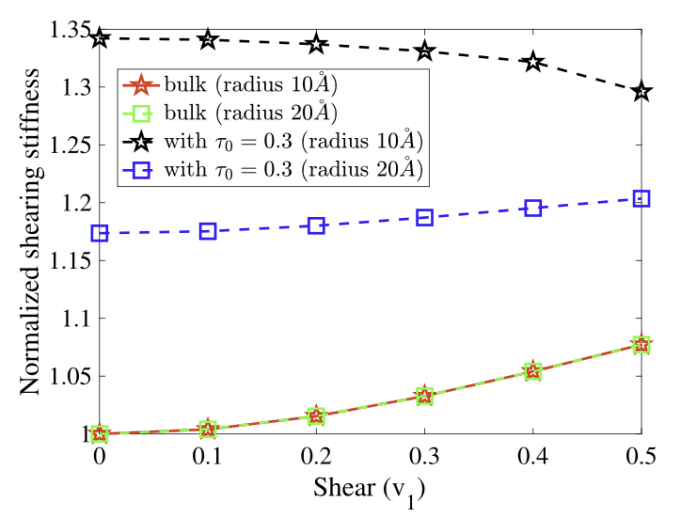
Mechanical behavior at the nanoscale can differ significantly from that of conventional engineering structures due to surface effects, size-dependent phenomena, and large surface-to-volume ratios. We develop continuum and finite element models for nanorods, nanotubes, and other slender nanostructures to understand their deformation, stability, and mechanical response. Our work combines special Cosserat rod theories with surface elasticity and surface energy models to derive nonlinear constitutive relations, internal force and moment resultants, and size-dependent effective properties.
Focus
- Continuum mechanics of nanorods and nanotubes
- Surface elasticity and surface-energy effects
- Size-dependent stiffness and effective material properties
- Nonlinear constitutive modeling
- Cross-sectional deformation and warping
Selected publication:
Singh, R., Arora, A. & Kumar, A.
“A computational framework to obtain nonlinearly elastic constitutive relations of special Cosserat rods with surface energy.”
Computer Methods in Applied Mechanics and Engineering 398 (2022): 115256.
DOI
Related method note:
Singh, R. & Kumar, A.
“Improved formulas of extensional and bending stiffnesses of rectangular nanorods.”
Computational Mechanics and Multiphysics Systems
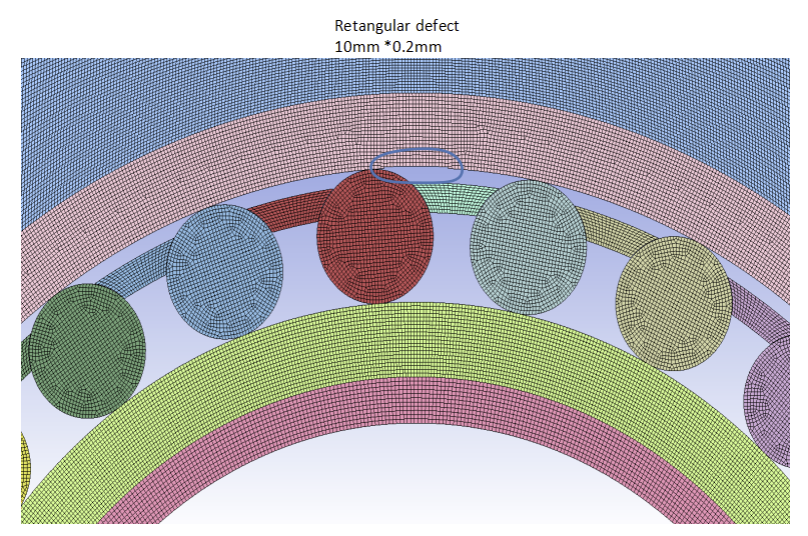
Many engineering systems involve large deformations, vibration, contact, wear, and interactions between multiple physical processes. We develop computational and finite element models to analyze these systems, understand their behavior, and predict their performance under realistic operating conditions.
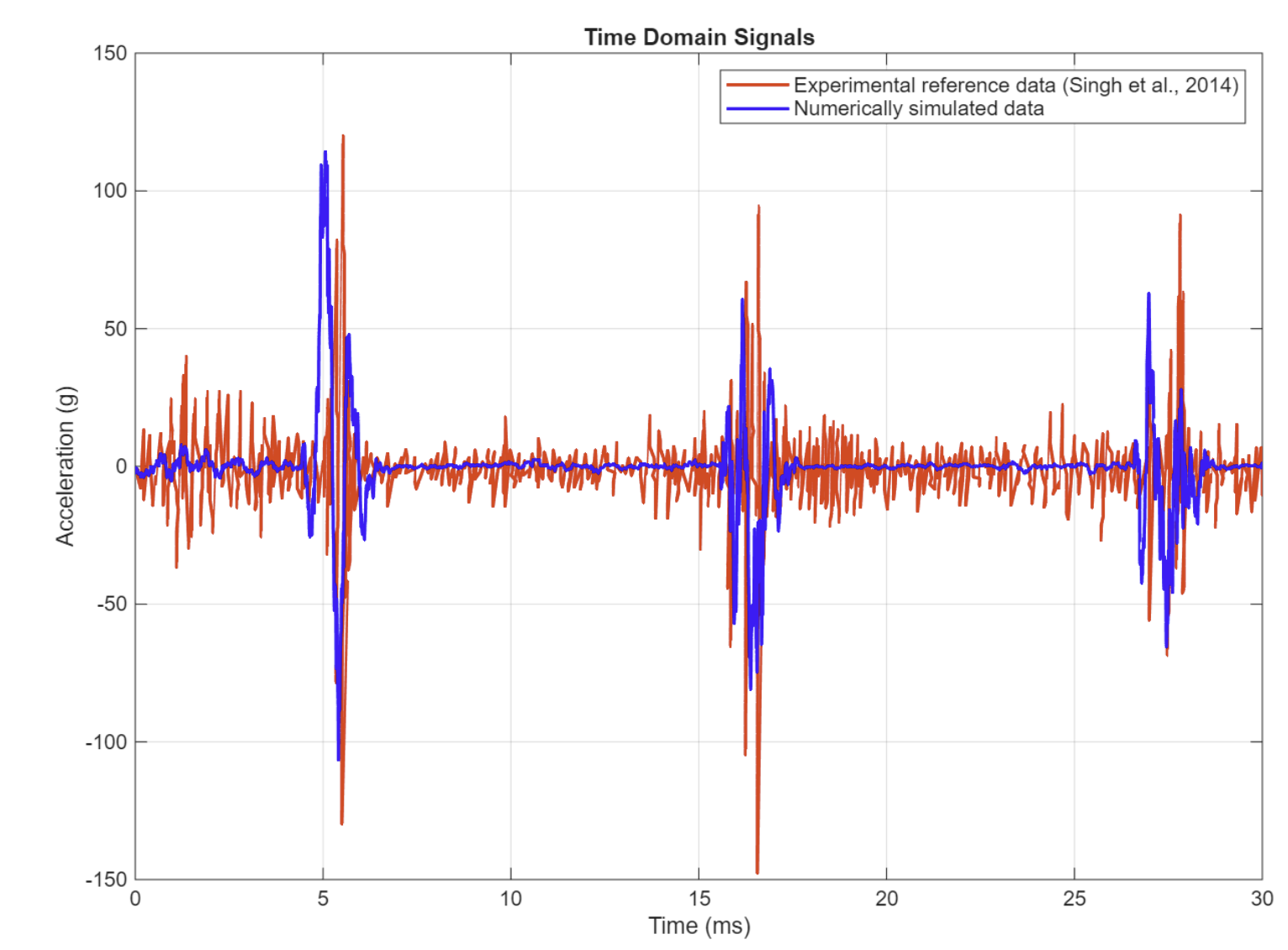
Our research focuses on developing computational frameworks for the simulation of advanced engineering systems, including smart-material actuators, flexible robotic structures, bearings, and other multiphysics applications. By combining finite element analysis, high-performance computing, and data-driven techniques, we develop predictive tools for simulation, design, and optimization.
Focus
- Finite element analysis of engineering systems
- Computational solid and structural mechanics
- Fluid–structure interaction
- Contact mechanics and multiphysics coupling
- Flexoelectric and smart-material actuators
- Flexible and continuum robotic structures
- High-performance computing for large-scale simulations
Selected publications:
Relevant publications will be added shortly.
Funding
Research at S²L is supported by funding from national agencies and institutional research programs.